By James Stockdale, Associate Director of Architecture
Across the education sector, institutions face a common challenge: preparing for an uncertain future while working within the constraints of existing estates. Against a backdrop of evolving pedagogies, rapid technological advancement, decarbonisation targets and changing student expectations, the question is no longer whether campuses need to change, but how they can adapt sustainably.
For many institutions, the answer is not demolition and replacement as the greatest opportunity often lies within the buildings that already exist. Renovation has become a strategic tool, enabling educational organisations to unlock value from existing assets while reducing environmental impact, strengthening identity and creating learning environments fit for the next generation.
Our experience of working with educational institutions around the world has shaped a design philosophy centred on active, social and personalised learning. By placing people at the heart of the design process, we focus on using renovation to strengthen identity, foster community and create environments capable of responding to future change.
Our approach considers how existing educational spaces can be reused, adapted and transformed at different scales. from carefully targeted interventions to the wider reimagining of a campus and its identity.
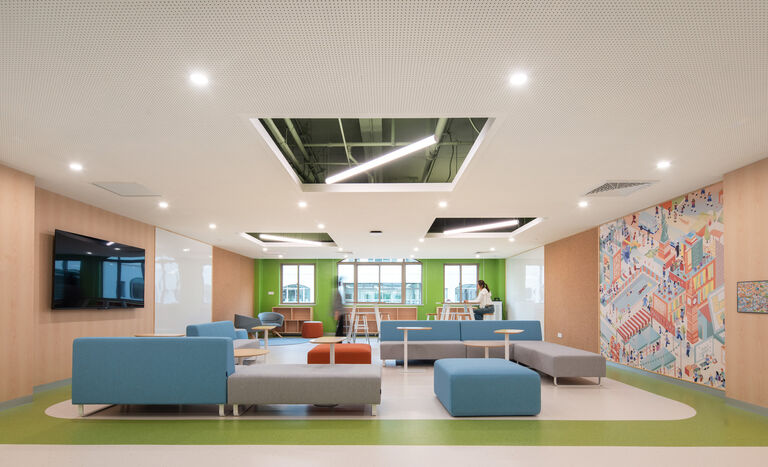
Re:Use | The lowest-carbon intervention
"The most sustainable building is often the one that already exists." (Elefante, 2007)
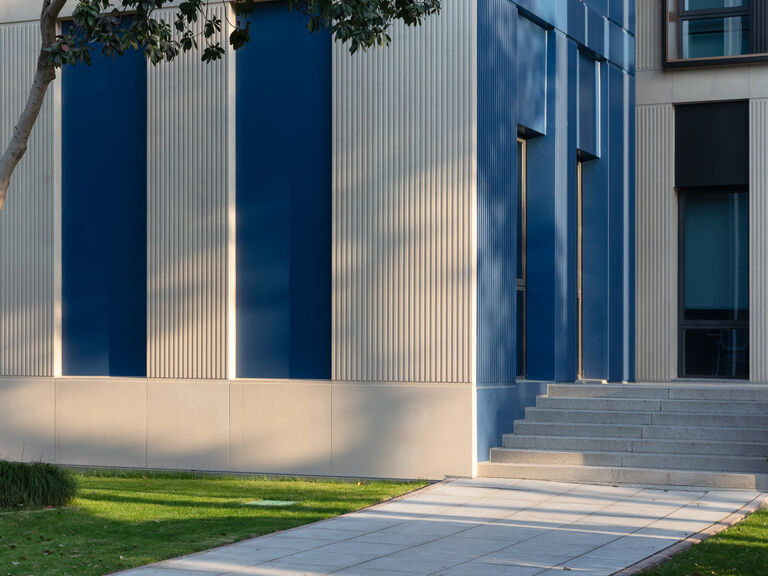
Reuse begins with recognising the value embedded within an existing estate. Through targeted, low-impact interventions, underused spaces can be transformed into high-performing learning environments while retaining the embodied carbon and cultural value of the original building.
Rather than defaulting to wholesale reconstruction, this approach identifies strategic opportunities where relatively small design moves can deliver a significant educational impact. Spatial reconfiguration, improved connectivity, upgraded environmental performance or carefully considered façade interventions can extend the useful life of a building without erasing its history.
This demands a detailed understanding of what is already there – identifying its limitations but focusing on the inherent strengths and capacity for change.
Left: University of Nottingham Ningbo China (UNNC) Teaching Building Renovation
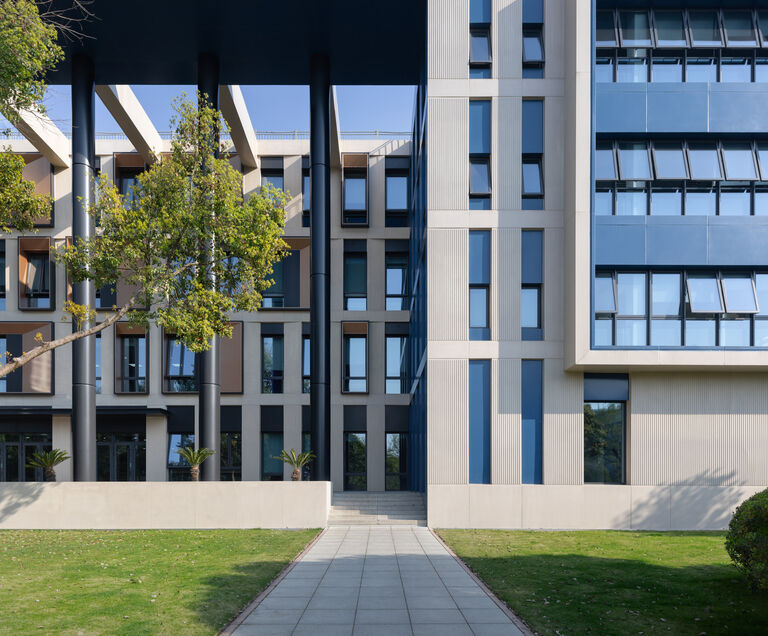
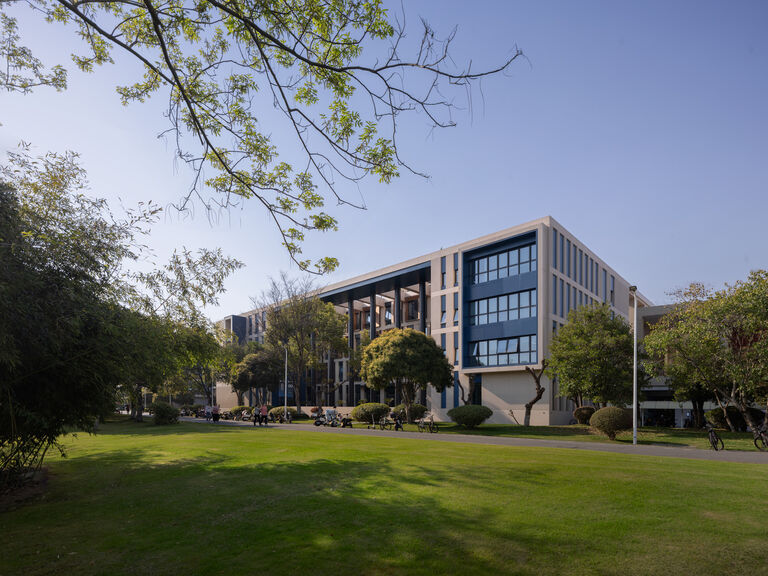
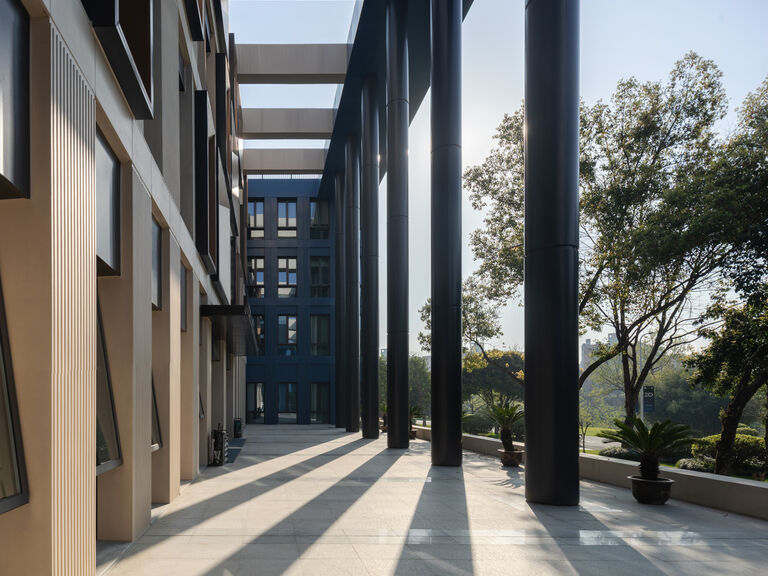
Re:Cycle | Circular design in action
Educational institutions are under increasing pressure to optimise resources while advancing their sustainability goals. Circular design can help extend the lifecycle of existing assets through intelligent adaptation.
By retaining and adapting infrastructure, building components and even furniture wherever possible, institutions can reduce waste, limit the demand for new materials and make more effective use of capital investment. This requires architects to consider buildings as evolving collections of materials and spaces that can be modified over time.
The result is a campus ecosystem that is both sustainable and more responsive to future needs. Designing with adaptability in mind allows spaces to evolve as curricula, technology and patterns of occupation change, reducing the likelihood that major intervention will be required again within a relatively short period.
Re:Purpose | Unlocking hidden potential
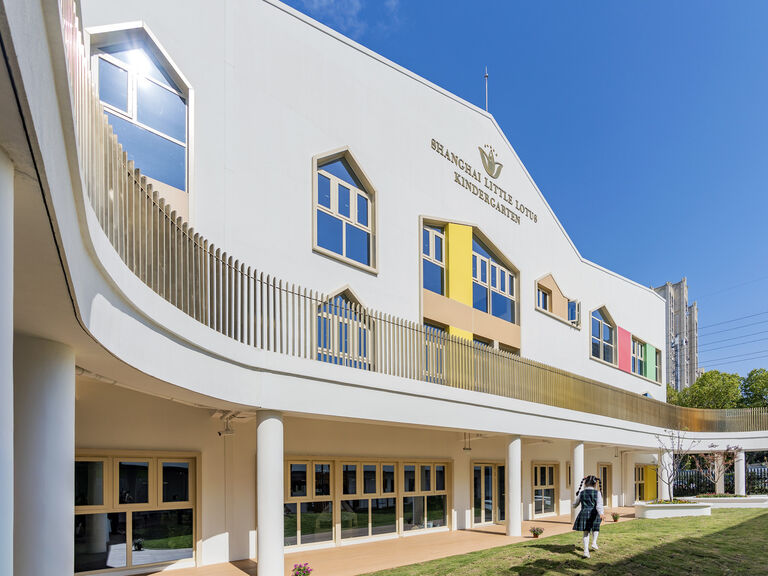
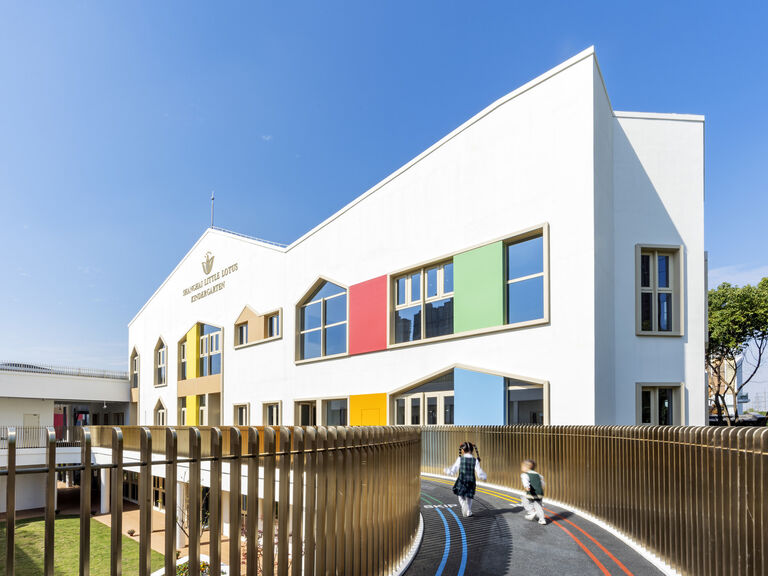
As learning models evolve, many educational buildings contain spaces that no longer align with contemporary teaching practices. Repurposing challenges inherited assumptions about how those buildings should function.
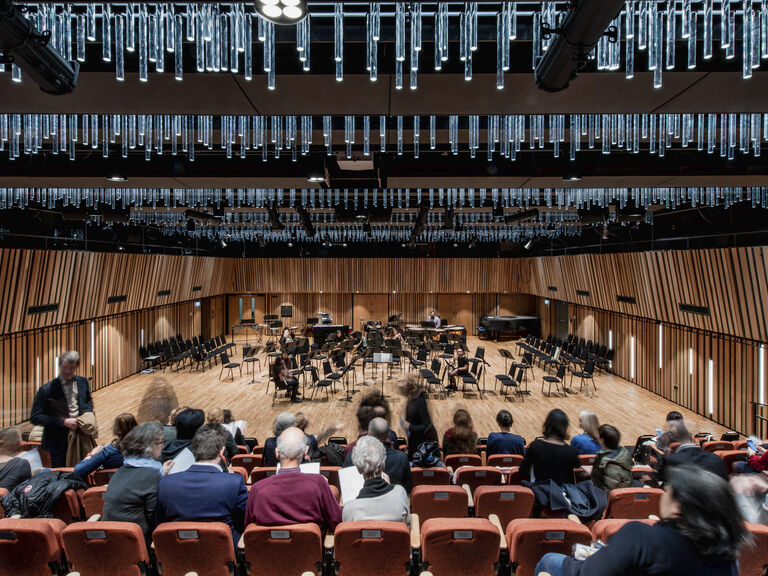
Rather than viewing facilities solely through the lens of their original intent, we should identify untapped opportunities to support new forms of learning, engagement and collaboration. Spaces once designed for a single purpose can be reactivated to accommodate interdisciplinary activity, social interaction, innovation and creative exploration.
An underused hall, corridor, library or administrative area may have the potential to become a valuable part of the learning environment. The task is to understand how patterns of teaching and student life have changed and then ensure that the estate responds accordingly.
This approach allows every part of a campus to contribute more strategically to the institution’s educational vision and objectives.
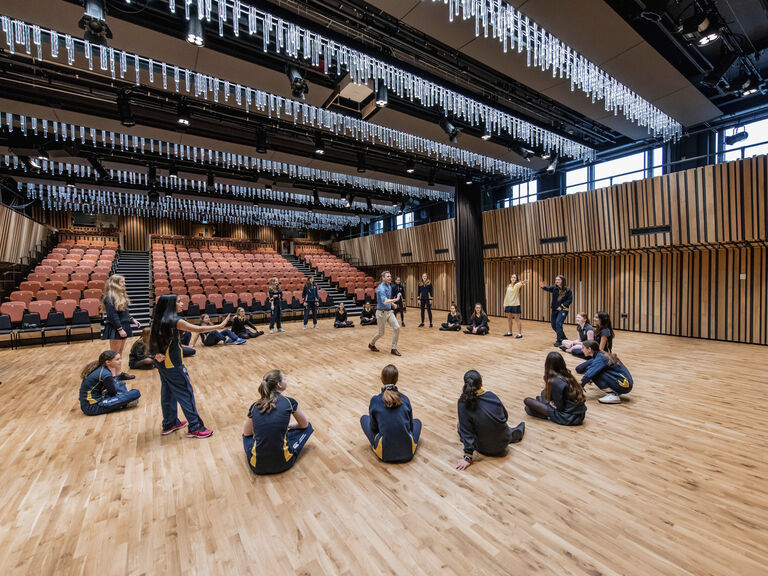
Re:Imagine | Transforming identity through space
While targeted interventions can improve the performance of individual buildings, renovation can also operate at a much broader strategic level.
Today, educational institutions compete not only on academic performance but also on experience, culture and identity. Students increasingly select environments that reflect their aspirations and values, and physical space plays a critical role in communicating these qualities.
Reimagining an existing estate is therefore not simply about changing a building but about reconsidering the role of the campus itself. In an era when information can be accessed almost anywhere, educational environments must offer those things technology cannot.
A carefully planned transformation can strengthen an institution’s identity, improve the everyday experience of students and staff, and create a clearer connection between its physical environment and its wider ambitions.
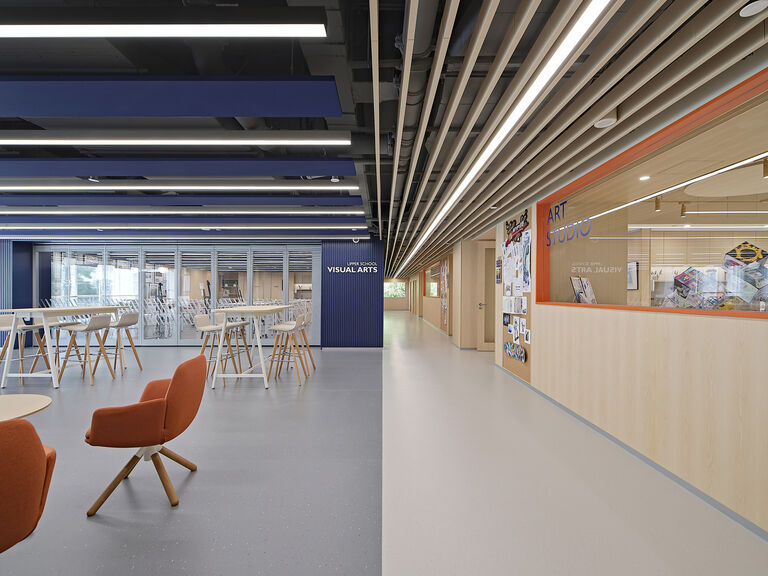
Left: SCIS Hongqiao Campus Renovation
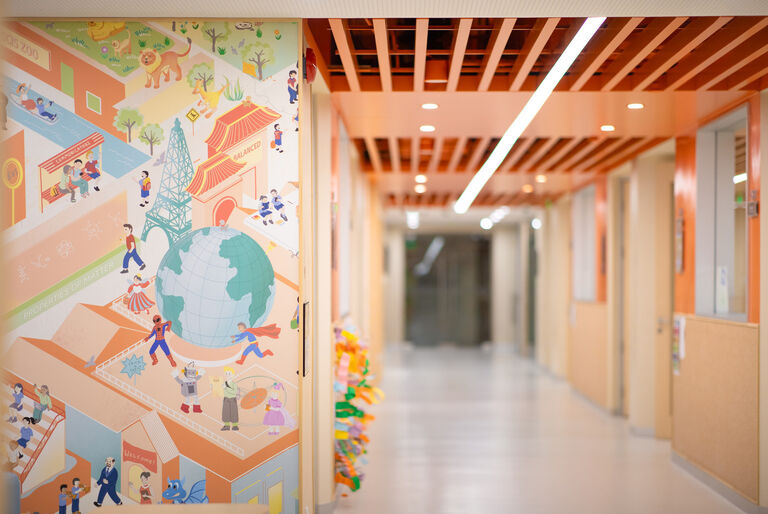
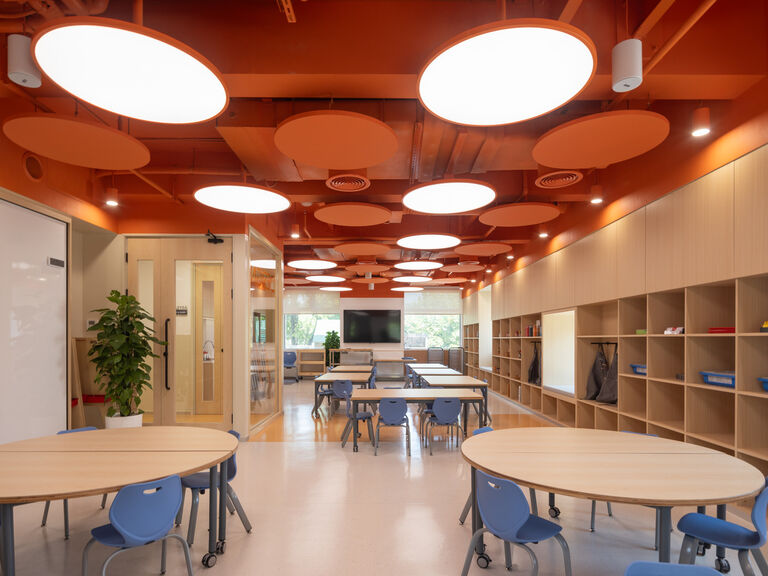
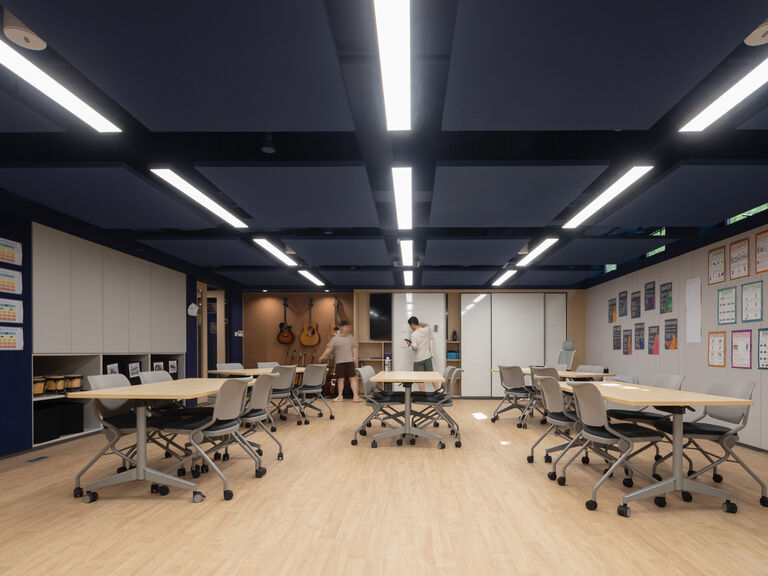
Rethinking the future
As institutions navigate changing pedagogies, technological disruption and increasing environmental accountability, renovation offers a powerful alternative to replacement.
The architect’s role is no longer simply to design new spaces but to uncover new possibilities within existing ones.
This requires an approach that makes no assumptions and demands a curiosity about what a building or wider campus could become. When considered strategically, renovation can reduce carbon, release value and create learning environments that are more flexible, inclusive and connected to their communities.
The campuses that thrive in the decades ahead will not necessarily be those that build the most but those that make the most intelligent use of what they already have.