Click to enter complete search
Human Experience Is the Strategy
Clare Danahay
29th May 2026

Designing workplaces that support people, performance and the realities of life.

People do not experience the workplace as a plan, a policy or a square metre allowance. They experience it as a day. And whether that day feels easy or exhausting, connected or isolating, focused or fragmented has a direct and measurable impact on how well people work.

This is why human experience is no longer a secondary consideration in workplace strategy. It is the strategy.
Connection is not a benefit. It is infrastructure.

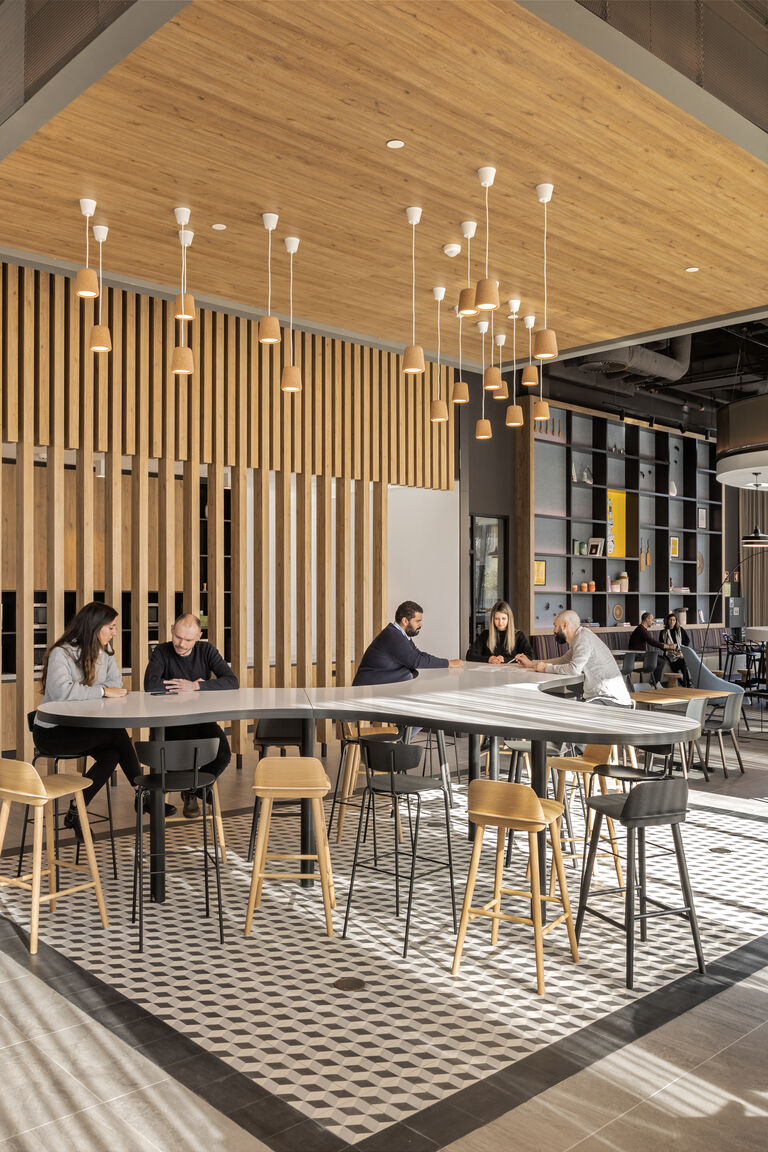
The office's most valuable function is rarely expressed in property terms. It is the quality of human connection it makes possible. When people work alongside each other, relationships form, trust builds and knowledge moves differently. Questions get asked earlier. Problems get resolved faster. Learning happens in the space between meetings through observation, conversation and shared momentum that no scheduled call can replicate.

For knowledge-based organisations, this informal social infrastructure is where significant value is created. It relies entirely on environments that make connection feel natural rather than forced.

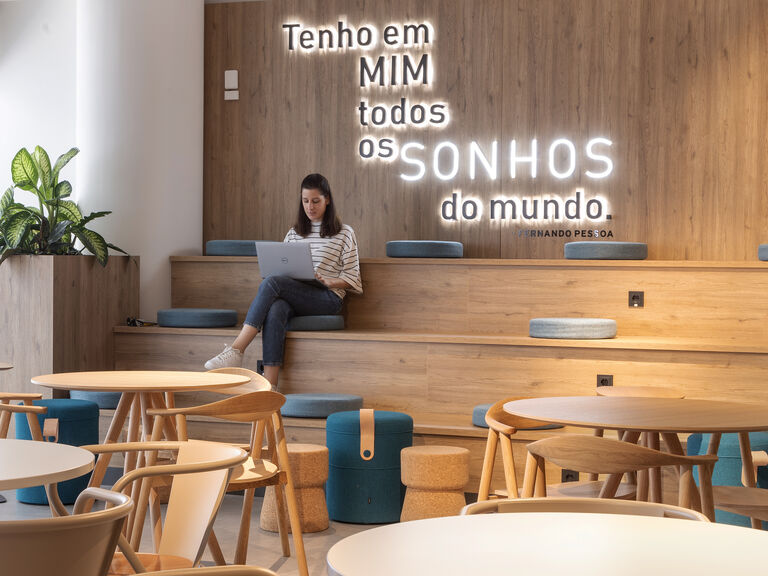
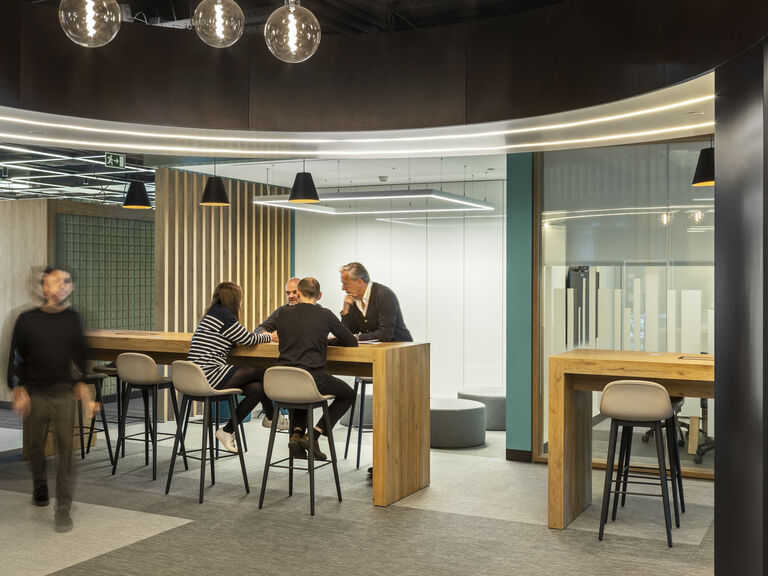
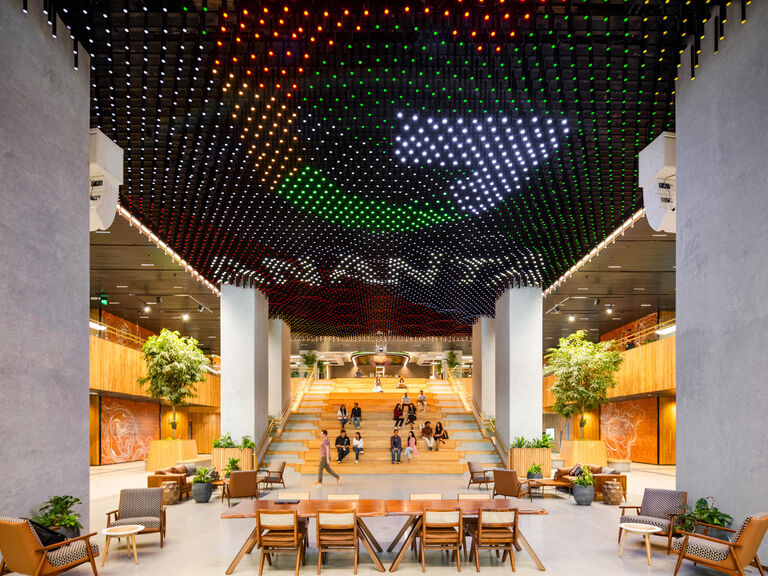
Left: Global Financial Institution, Lisbon

Fatigue comes from friction, not from work

A significant proportion of workplace fatigue does not come from demanding work. It comes from the effort of managing an environment that does not quite work. Noise in spaces designed for focus. Technology that needs troubleshooting. Rooms that are hard to find and harder to use. These are small failures, but they accumulate.

Evidence-based design targets this friction directly, mapping where cognitive effort is being spent unnecessarily and removing the cause rather than managing the symptom. The goal is not to make work less demanding. Work will always be demanding. The goal is to ensure that cognitive effort goes to work, not to coping.

Operations is the experience

Space and technology set the conditions. Operations determines whether those conditions are met every single day. When a workplace is well run, arrivals are warm, issues are resolved quietly, the environment feels cared for people focus on their work. When it is not, knowledge workers spend cognitive effort managing their surroundings instead of using them.

The best operational environments borrow from hospitality: anticipation, clarity and care applied not as luxury, but as standard. When it works well, nobody notices. That is exactly the point.

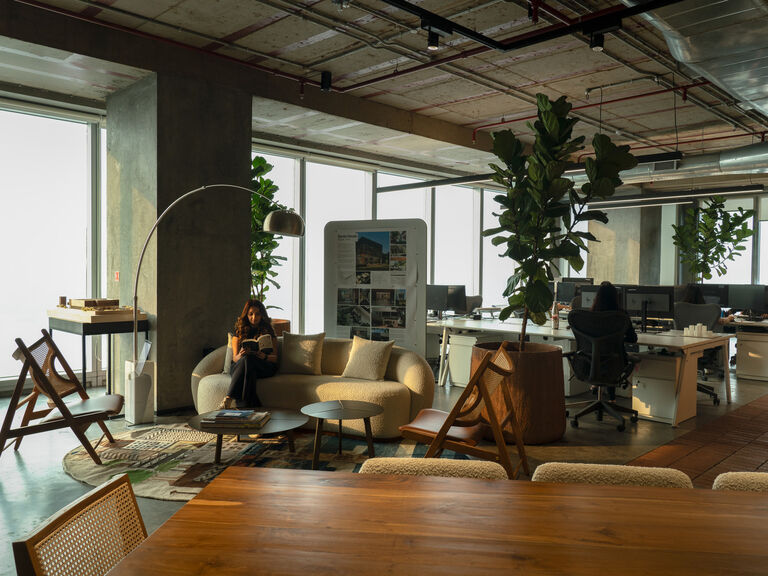
Left: Broadway Malyan Mumbai studio

The workplace earns its place through value, not obligation

The workplace earns its place through value, not obligation

The office now competes every day with other ways of working. It earns its place not through policy or mandate but through the quality of experience it offers. When that experience is designed with intelligence, operated with care and built around how people actually work, performance follows. Culture deepens. Retention improves.

And the organisation gets something no mandate can produce: a place people genuinely choose to be.

*¹ Human-Centred Design in the Built Environment, ScienceDirect, 2025.

Listing details