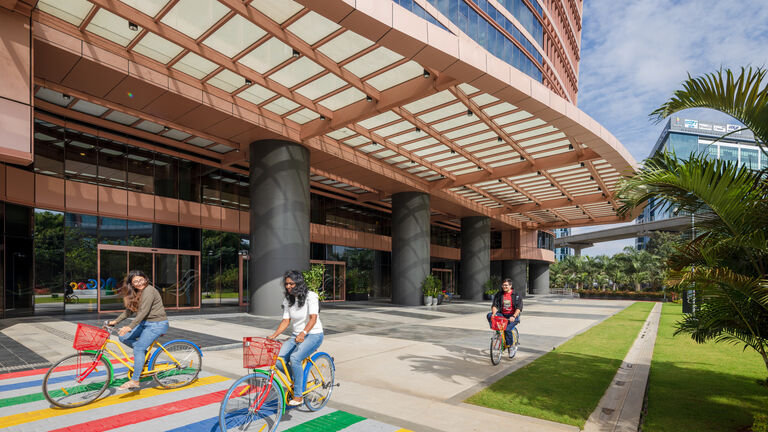
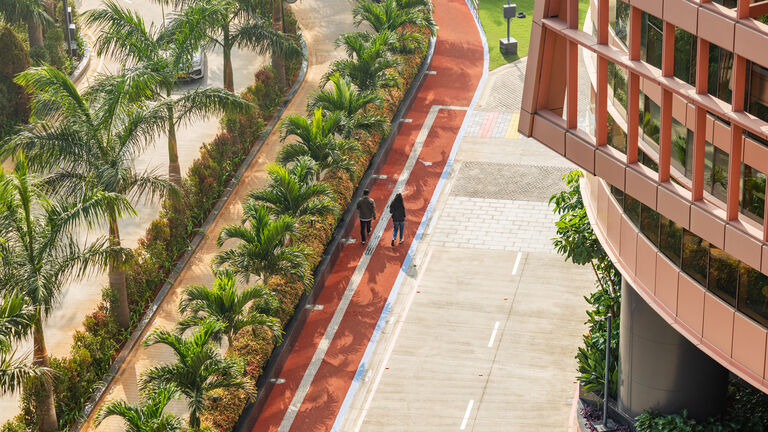
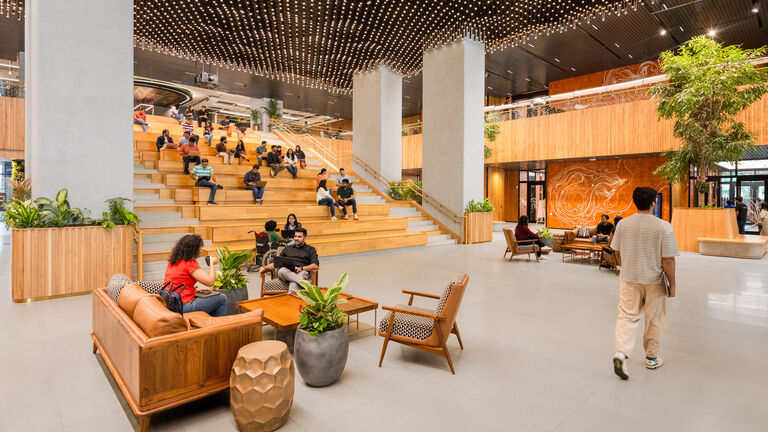
One of the most overlooked forces shaping how we work is the city itself.
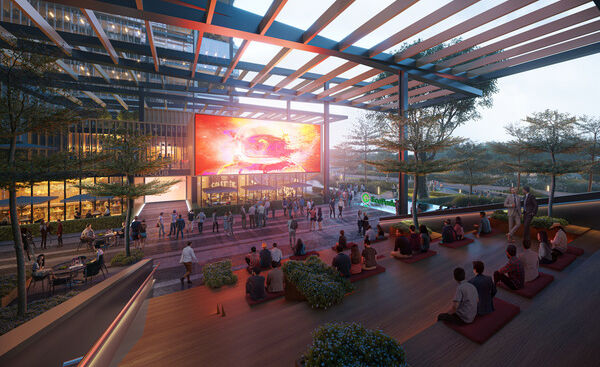
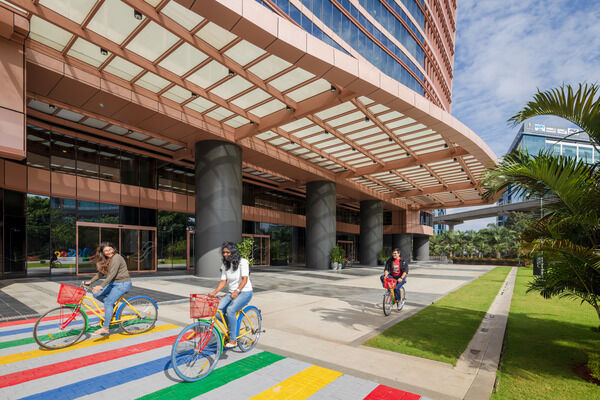
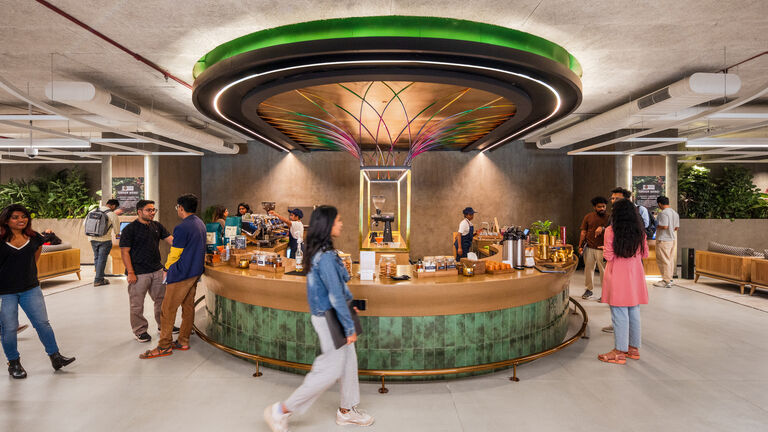
In dense, mixed-use neighbourhoods, work naturally spills into the public realm. The morning coffee shop, the walk to work, informal conversations over lunch, the familiar street vendor—these rituals soften the boundary between life and labour. The workplace becomes part of a larger social and spatial ecosystem.
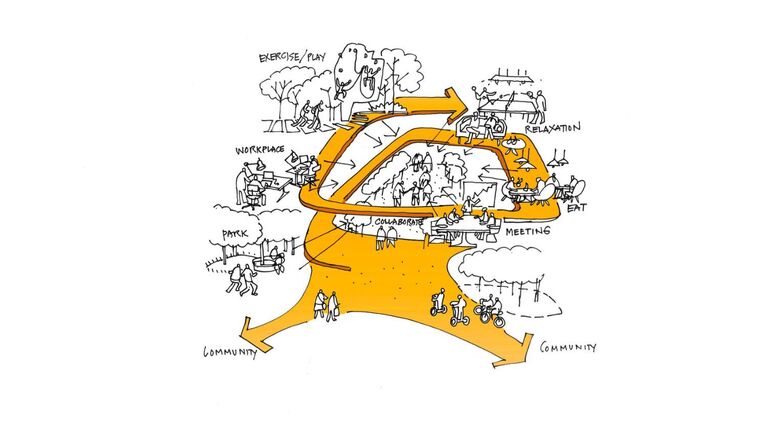
In contrast, when offices are pushed to the periphery of cities, accessible only by long shuttle commutes, this everyday urban fabric disappears. The burden of connection, comfort, and culture then shifts entirely onto the building.
This distinction is critical in India, where commuting is often exhausting, infrastructure is catching up, and last-mile connectivity is inconsistent. Here, the workplace cannot afford to be emotionally neutral. It must compensate for what the city cannot provide and amplify what it can.