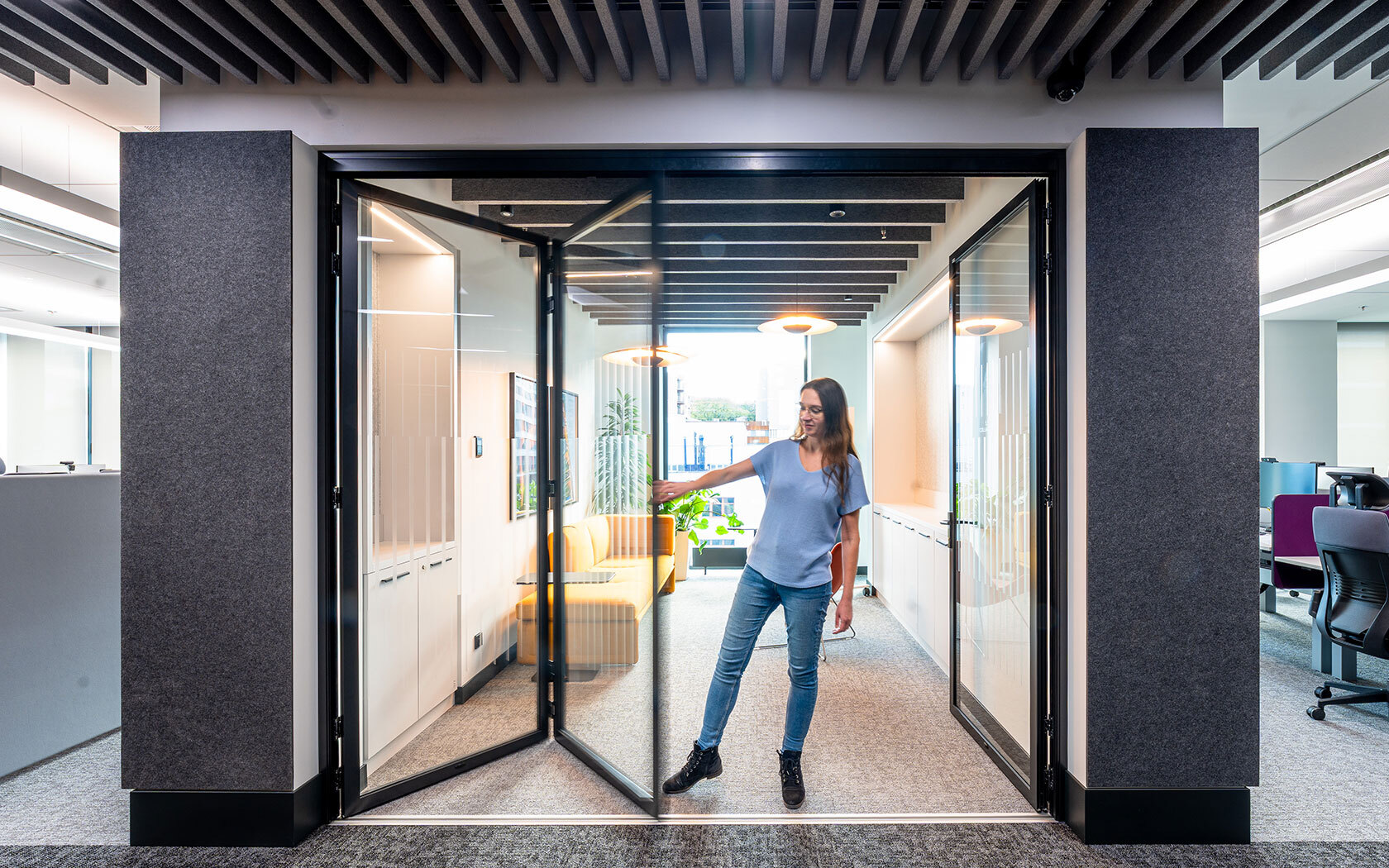
In this interview, Nina reflects on a recent workplace project completion in Czechia, sharing her approach to creating people-centred workplaces, how she embeds wellbeing principles into her designs and her thoughts on future trends shaping workplace design.
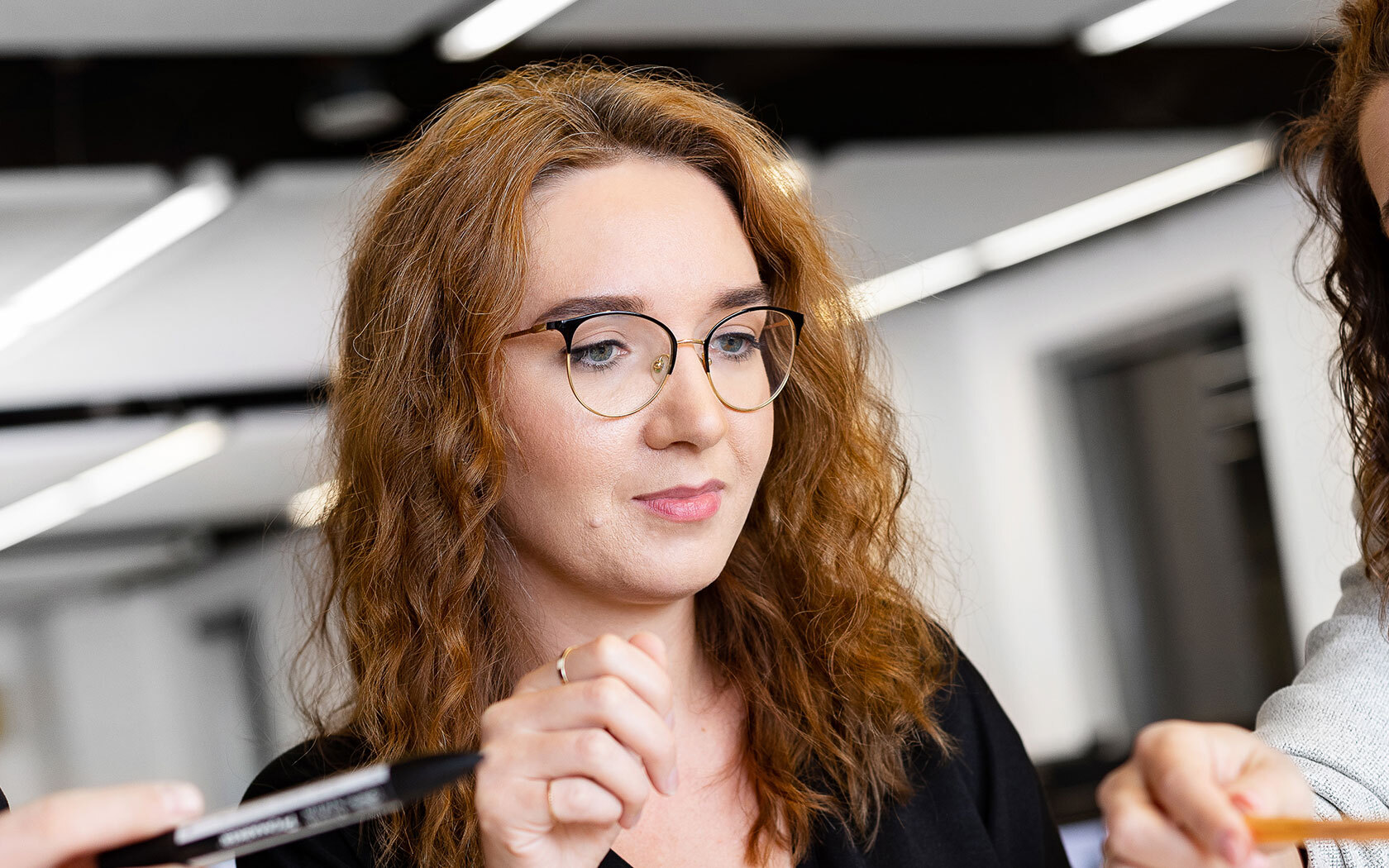
How has your role developed since joining Broadway Malyan?
I began my career at Broadway Malyan Warsaw in 2016 as a Junior Architect and worked my way up to the role of Architect, and more recently to Associate Architect. During this time, I contributed to a wide range of projects, including commercial centres, residential buildings and retail developments, before moving into workplace design, which is my main focus.
Can you tell us about your most recent workplace project completion?
I really enjoyed our most recent workplace project in Czechia, which is part of a global refurbishment programme for a leading international bank. The project provided a great opportunity to create a dynamic and engaging office environment that supports a diverse range of workstyles. The scheme incorporates spaces for quiet, focused work alongside collaborative settings, complemented by social amenities including a cafeteria and outdoor terraces, all contributing to a flexible and contemporary workplace experience.
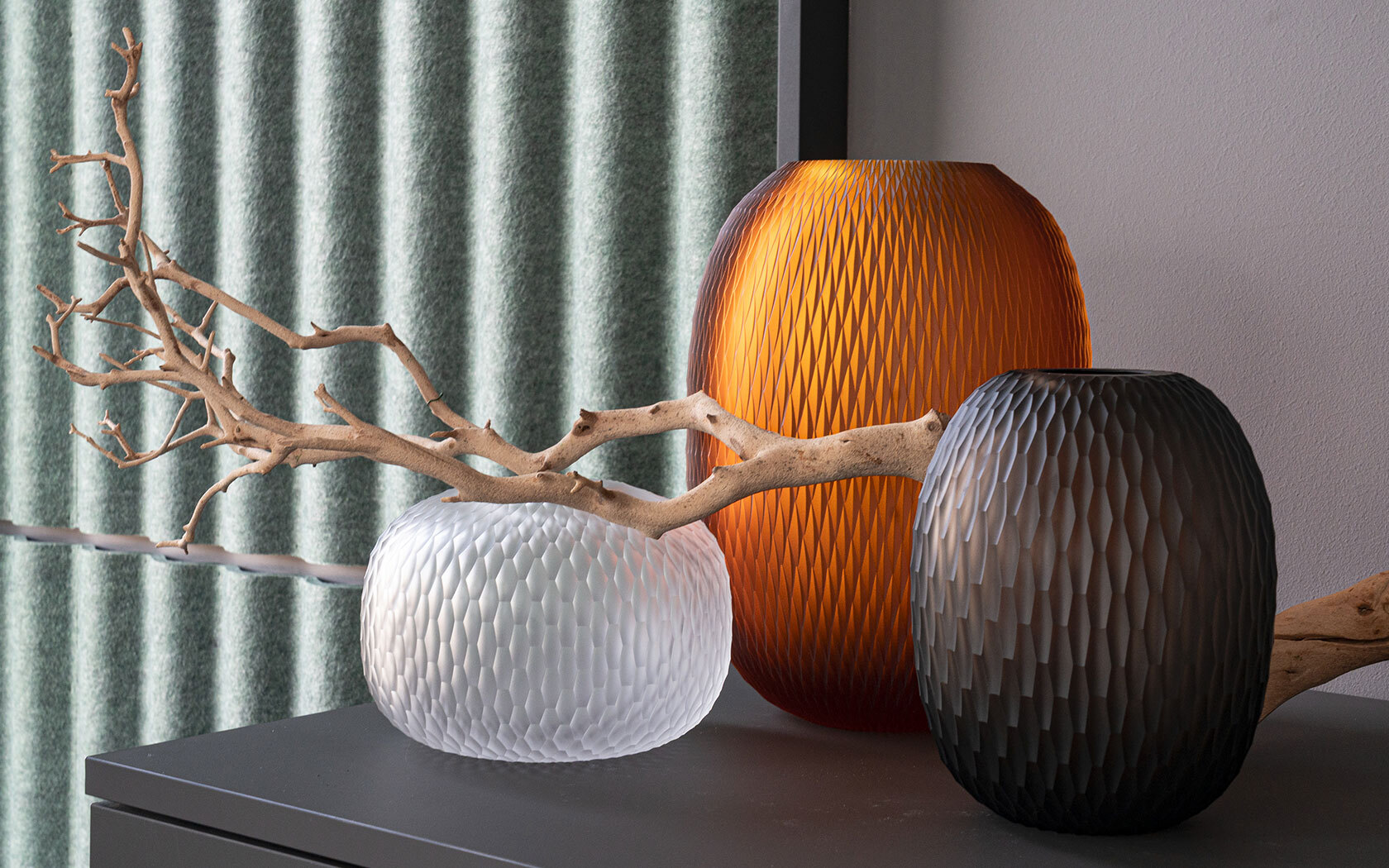
The design is full of greenery and references to Czech culture and the site’s heritage. The building sits on a post-industrial site, so we incorporated subtle reminders of this history throughout the scheme. Czechia is renowned for its glass craftsmanship, particularly blown-glass lamps and vases, and we were able to collaborate with a local manufacturer to integrate these beautifully into the interior.
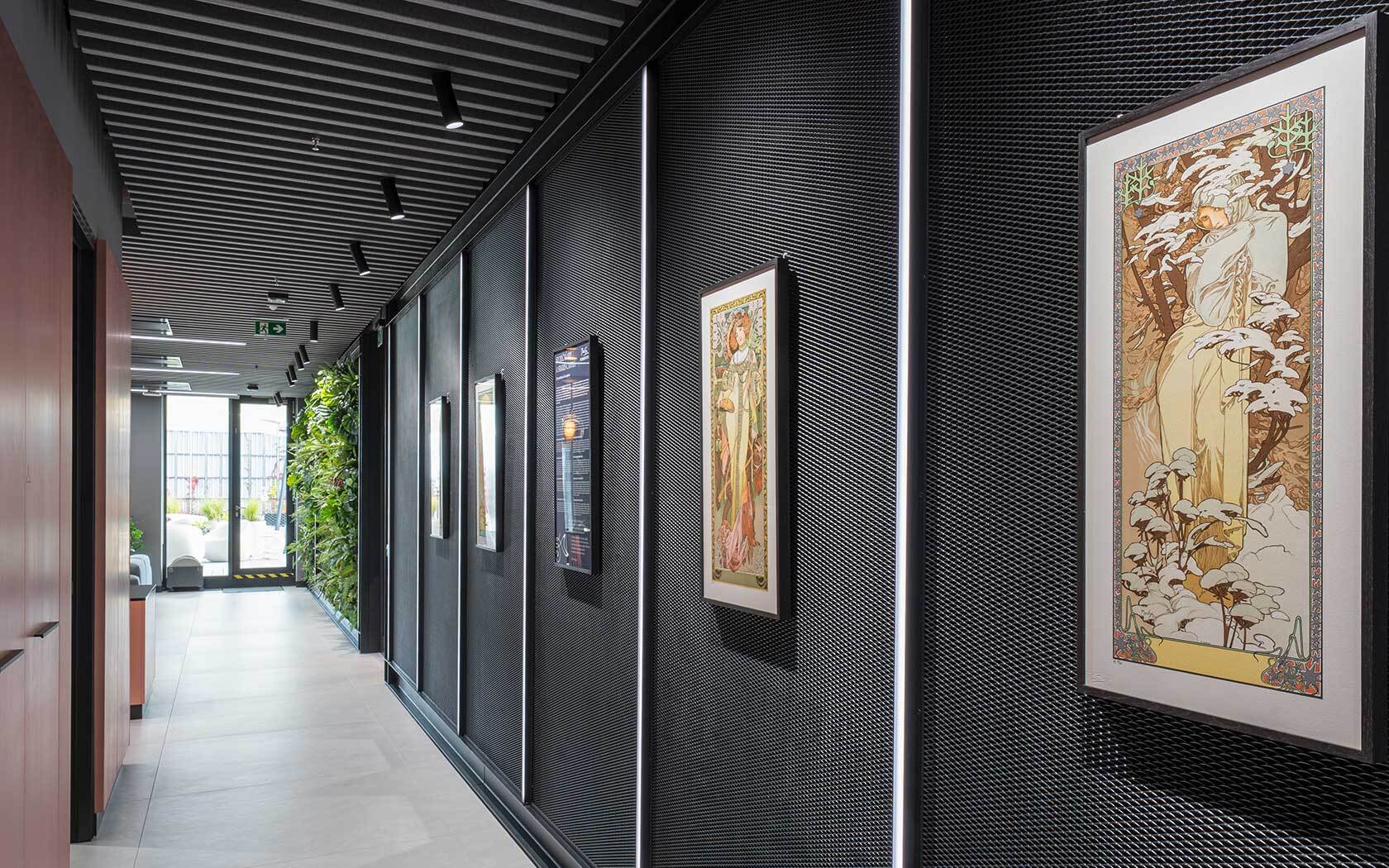
We also incorporated local art within the space and worked with the Mucha Foundation to celebrate one of the country’s most significant artists. They agreed to lease a selection of works for the project, creating a meaningful exhibition within the office, complete with curatorial descriptions and three themed rooms that explore the connections between Mucha’s work and the company.
What principles guide your approach to creating people-centric workplaces?
Empathy is a guiding principle: understanding how people work in the country and city they live in, their routines, pressures, motivations and challenges. For every project, we visit the site and talk to organisational leadership and employees, listen, observe and strategise collaboratively to understand their needs.
The second core design principle is flexibility. Every employee has different needs, so the office must accommodate this by offering a variety of settings. Spaces should support focus, collaboration, learning and restoration, adapting to tasks, energy levels and moods. Natural light, good acoustics, air quality, ergonomics and access to art all have a significant impact on wellbeing. The design should reduce stress and fatigue while promoting comfort, balance and opportunity for movement, and it must be accessible to all.
Finally, sustainability and purpose are fundamental. Creating environmentally responsible spaces that align with organisational values allows employees to feel proud of their workplace and fosters a stronger sense of meaning, connection and purpose.
As both a mental health first aider and a workplace designer, how do you integrate wellbeing principles into your design approach?
Corporations and organisations are increasingly recognising the connection between mental wellbeing and employee performance and engagement. Offices should be designed to reduce stress and cognitive overload, moving away from being overly noisy or overstimulating.
Alongside supporting collaboration and social interaction, all elements - such as acoustics, lighting and occupancy density - must be carefully considered for each office. There should also be spaces for restoration, as productivity is not constant but fluctuates throughout the day. To maintain long-term performance, employees need opportunities for pause and recovery. Creating respite lounges, quiet rooms, and areas for emotional regulation is therefore crucial.
Looking ahead, what trends do you see shaping workplace design in the future?
The meaningful future workplace will be human-centred and flexible, particularly due to the prevalence of hybrid working. People are looking for offices that go beyond individual work – which they can do at home – and instead support collaboration, knowledge sharing, and relationship-building with colleagues. I expect companies will increasingly seek adaptable environments that can respond to changing team needs and employee patterns.
Employee wellbeing will also become a core driver of design decisions, including factors such as natural daylight, access to greenery, and good acoustics. Sustainability and ESG principles will be increasingly important in office design. We must take responsibility for material choices, energy performances, carbon footprint and long-term environmental impact. Workplaces will need to reflect corporate values, demonstrate appreciation for employees, and show commitment to climate goals, thereby strengthening the company’s brand and instilling pride in employees.
Another key factor will be technology, with offices integrating as many intelligent solutions as possible. I believe design should be performance-driven, and we are already adopting a data-driven design approach. I expect more smart building systems and digital tools to be incorporated to support hybrid collaboration.